Understanding The Importance Of Phase Inspections
Why Building From The Ground Up Requires Vigilance
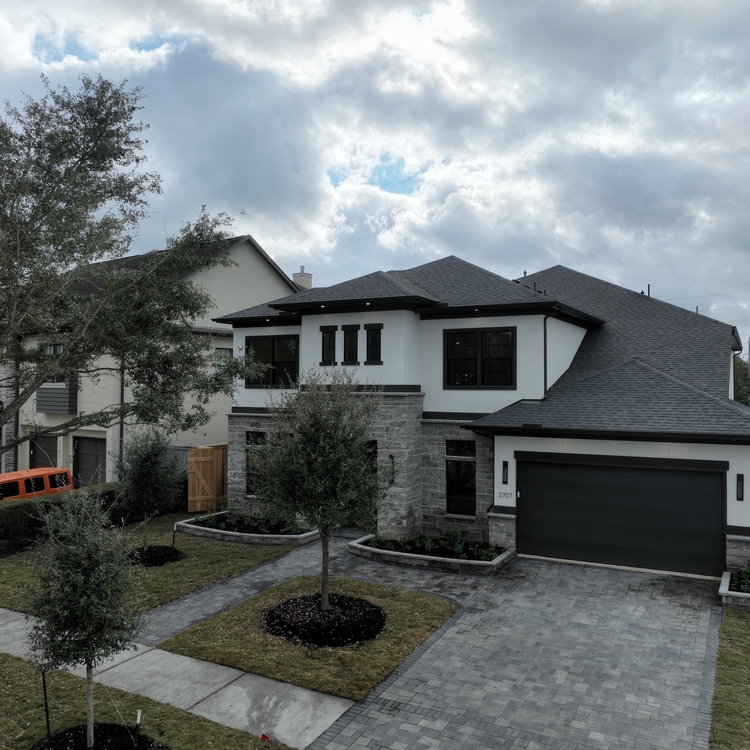
Building a new home is a massive investment and an exciting journey. However, even the most reputable builders can make mistakes or overlook critical details during the construction process. Phase inspections act as an independent quality assurance mechanism to ensure every stage of your home’s development adheres to modern building standards and safety codes.
Instead of waiting for the final walkthrough to uncover hidden defects, integrating a multi-step evaluation process allows homeowners to catch structural and mechanical issues before they are permanently sealed behind drywall. This proactive approach saves thousands of dollars in future repairs and guarantees that the foundational integrity of the property is never compromised.
Securing The Base Of Your New Property
The structural integrity of any building begins with its foundation, making the pre-pour phase inspection one of the most critical steps in the construction process. During this initial assessment, an expert evaluates the excavated site, concrete forms, moisture barriers, and steel reinforcements before the concrete is actually poured. If rebar is improperly spaced or plumbing trenches are incorrectly measured, correcting them later is practically impossible.
By identifying inconsistencies early, you hold the construction crew accountable to the engineered blueprints. This detailed structural evaluation helps prevent serious issues like foundation cracking, uneven settling, and premature structural failure, ensuring the longevity of your real estate investment.
Checking The Skeleton Of Your Future Home
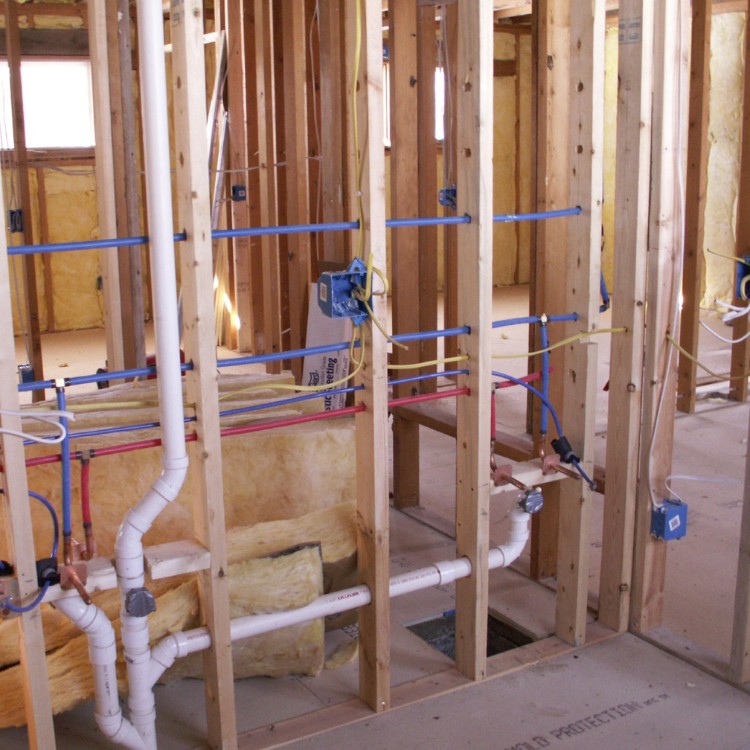
Once the foundation is set and the framing goes up, the pre-drywall inspection takes place. This evaluation occurs just before the insulation and drywall are installed, providing a rare opportunity to look inside the structural skeleton of the house. We closely examine the load-bearing walls, roof trusses, and floor joists to ensure structural stability and correct fastener usage.
Beyond the wooden framework, this stage also involves a thorough inspection of the rough-in mechanical systems. Electrical wiring, plumbing pipes, and HVAC ductwork are all scrutinized to ensure they are safely routed and properly supported. Any pinched wires or poorly sealed vents can lead to massive hazards or inefficiencies down the road.
Catching these internal defects at this specific construction milestone is incredibly cost-effective. Correcting an electrical or plumbing error while the wall cavities are still completely exposed takes a fraction of the time and resources compared to tearing down finished drywall later on.
Talk with an Expert
Start your service request today!

Final Walkthrough And Completion Assurance
Your Trusted Final Construction Evaluation Partner
Family Owned
Built on a foundation of integrity and personal commitment.
Licensed & Insured
Fully licensed and insured for your peace of mind.
Free Estimates
Clear pricing before the first line is drawn.